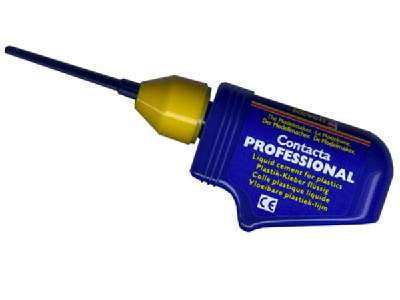
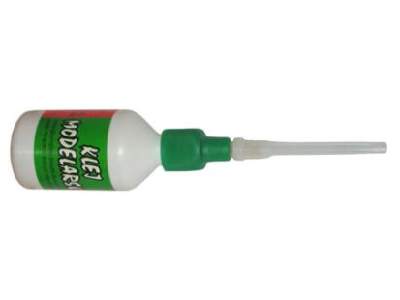


Paints and Glue are not included with any kit unless stated otherwise!
Versions:
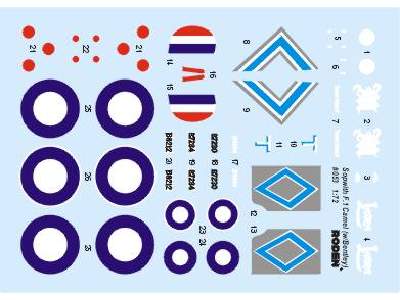
Sopwith F.I Camel B6212 "Black Prince", No.13 Sqn
RNAS, pilot FSL W A Moyle, St. Pol, December 1917.
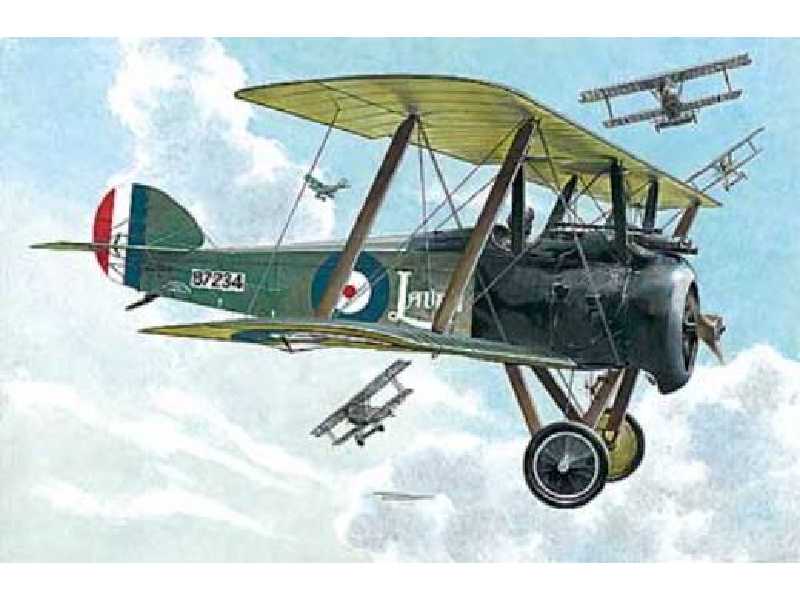
Sopwith F.I Camel (w/Bentley), Â7234, No.4 Sqn RNAS
(No.204 Sqn RAF), was flown by Lt. RL Hollingsworth, France,
Roulers, July 1918.
Sopwith F.I Camel B7230 "T", No. 3 Sqn RNAS (No.203
Sqn RAF), pilot FSL K D Campbell, March 1918.
Sopwith F.I Camel B3894, No. 9 Sqn RNAS (No.209 Sqn RAF),
pilot FSL A R Wood, October 1917.
One of the famous, and the most successful fighter
of the First World war, the British Sopwith Camel was built in huge
numbers - during 1917-1918 the overall production of the type exceeded
5,500 machines. Initially the 110 h.p. Le Rhone engine was installed
in the plane, but the majority of production machines had the more
powerful Clerget 9B engine (130 h.p.). With the Clerget 9B engine
the fighter surpassed the basic performance of the most advanced
standard German fighters of the time, the Albatros and Pfalz. However,
the newest Fokker development posed a considerable threat for the
Sopwith Camel.
In 1917, with the war at its height, and series production of the
Sopwith Camel at its peak, talented engineer Walter Bentley from
the Aviation Department of the Admiralty proposed some major improvements
for the Clerget 9B engine. Development of an essentially new engine
while under the intense pressures of wartime could obviously solve
a whole set of problems, and consequently the various military commands
approved Bentley's idea.
For the sake of economy of weight and improved performance Bentley
used aluminium in the cylinders of the Clerget 9B, with steel sleeves.
His work permitted the engine to deliver another 30 h.p. - a significant
figure at the time. And so the specific weight was reduced by up
to 1.15 kg. This 'modified Clerget' was already so essentially different
from the original, that it gained its own official name, Bentley
BR.1.
Later Bentley developed the engine even further, and he brought
its capacity up to 230 h.p., while its specific weight was up by
only 0.94 kg. This version of the engine was the BR.2. One of the
first planes to have an example of the new engine fitted, was, unsurprisingly
the Sopwith Camel's replacement, the Snipe.
The result of this development appeared more than satisfactory -
an increase in take-off weight of 35 kg, but maximum speed up by
more than 15 km/h, and it was an impressive piece of engineering.
The Bentley powered variant of the Sopwith Camel did not receive
a distinct name, in manufacturing documents it was simply marked
"Sopwith F.1 Camel with Bentley B.R.1 Engine". The engine
was mainly installed in new build machines, however when under repair
'old' Clerget 9B Camels frequently received a new Bentley B.R.1
engine. Their long fighting service extended to the very end of
the Great War.
Performances
Wing Span
8,53m
Total Length
5,69m
Wing area
21,5 m2
Climb 2000m
5min
Empty weight
470kg
Speed (max)
199km/h
Take-off weight
695kg
Time in fly
2,5h
Powerplant
1x160hp Bentley B.R1
Armament
2x0,303 Vickers
Product Details
Roden 053
2008-03-08
Data sheet
Scale
1/72
Availability
Sold out
Shipping time
Unknown
Assortment / material
n/a
No carriers available for this product.
The above shipping costs are for 1 item only.
You will see the final shipping costs when you place your order.

@COMMENT_TITLE@
@COMMENT_COMMENT@