

- Reduced price
- New
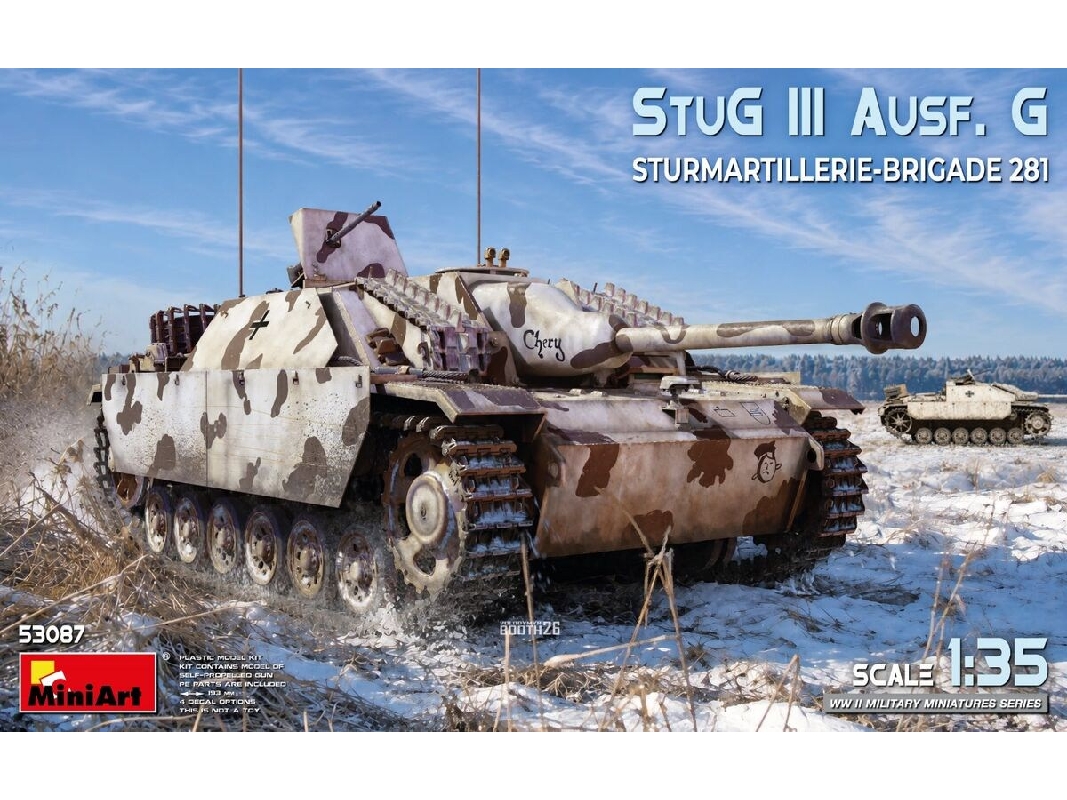

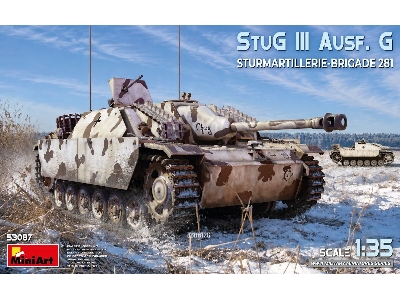
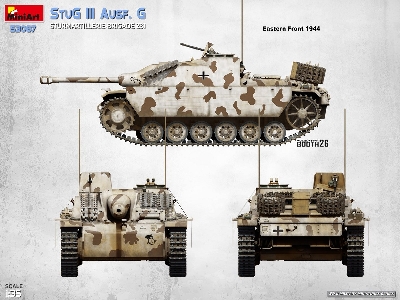
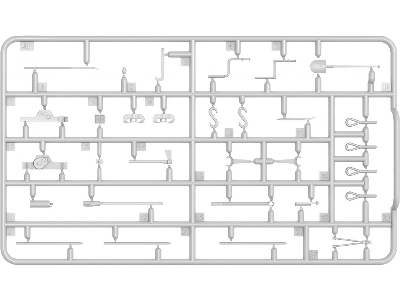
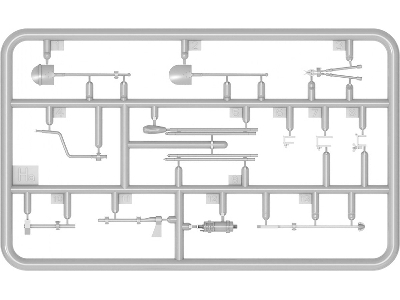
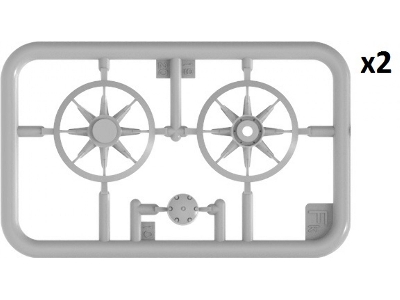
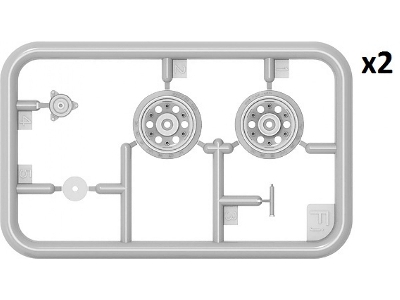
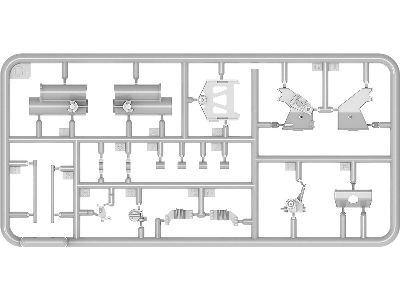
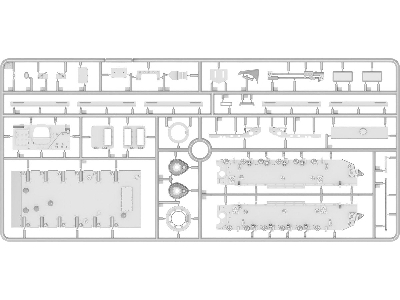
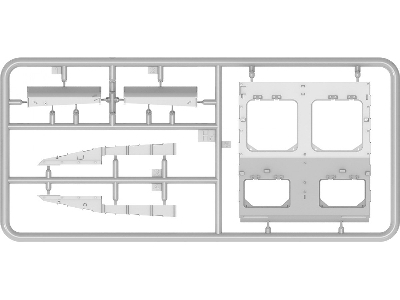
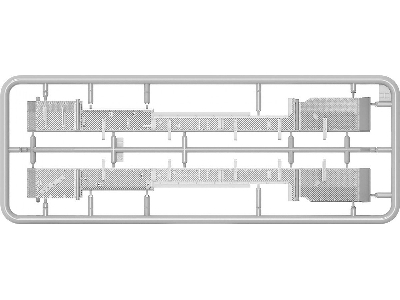
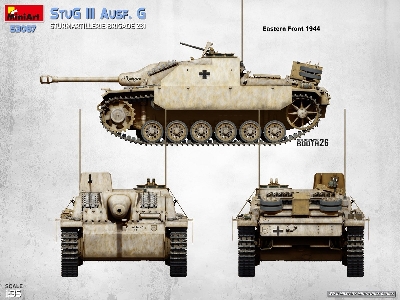
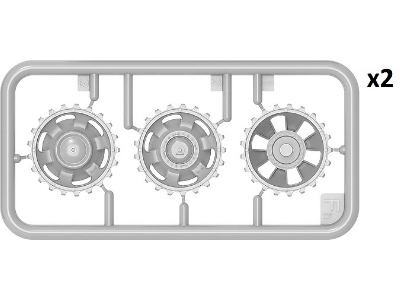
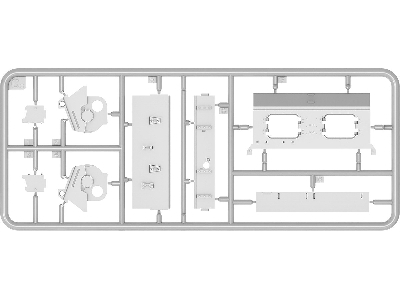
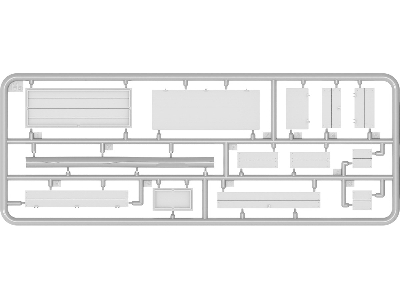
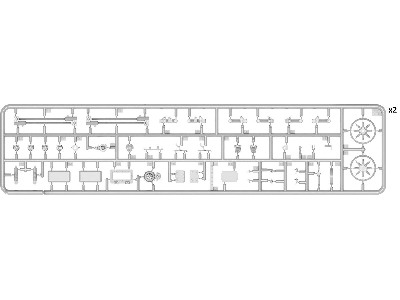
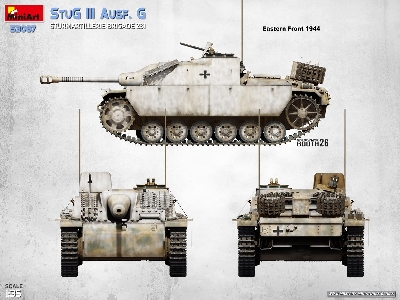
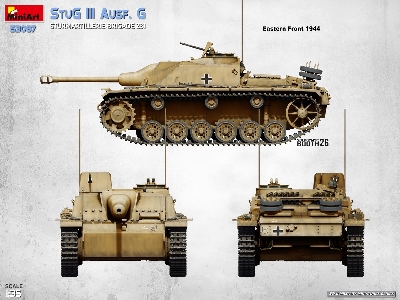
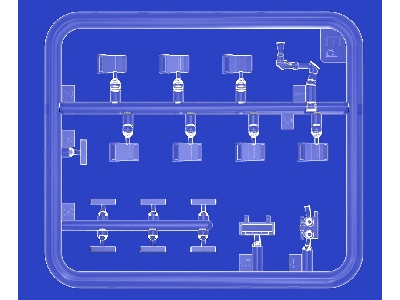
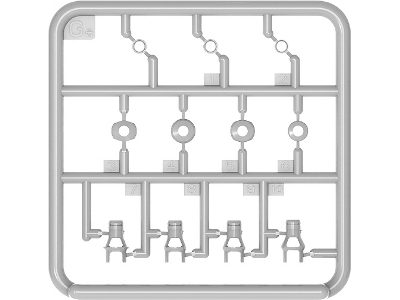
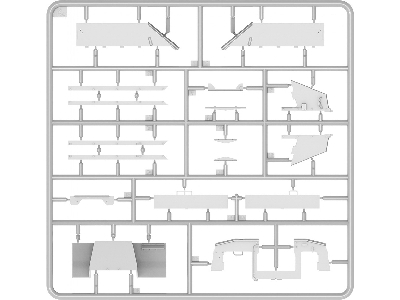
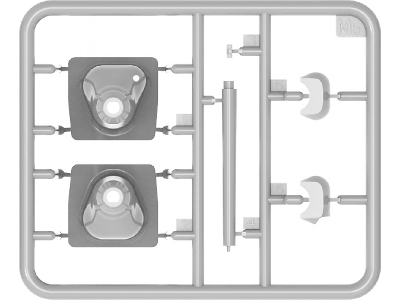
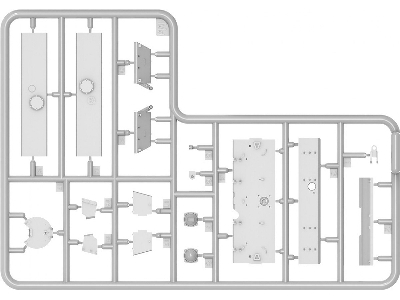
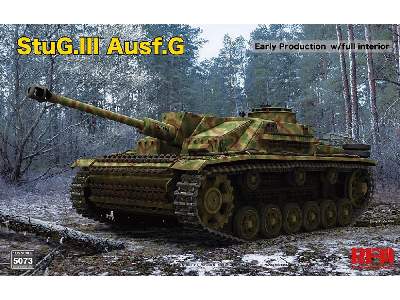
This model represents the German StuG III Ausf. G assault gun operated by Sturmartillerie-Brigade 281 on the Eastern Front during World War II. Developed on the chassis of the Panzer III, the vehicle featured a low silhouette and a fixed superstructure instead of a rotating turret. This design allowed it to carry an effective anti-tank gun while remaining relatively compact and providing good protection for its crew.
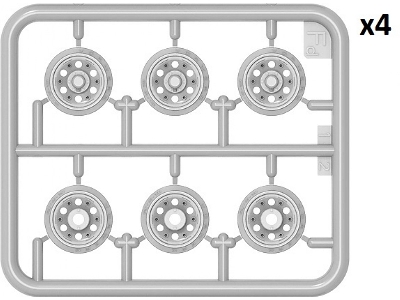
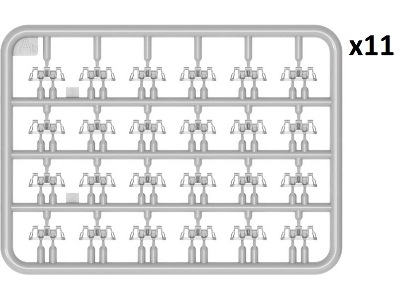
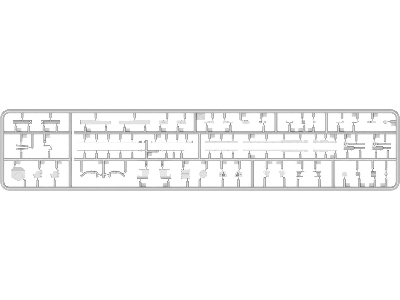
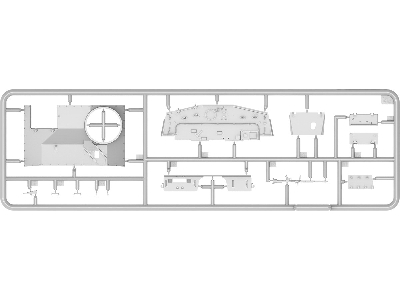
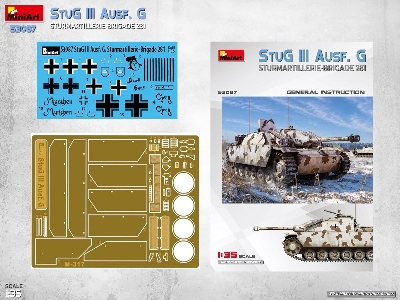
The kit features finely reproduced armour plates, running gear and external equipment. It includes photo-etched parts, clear components and workable individual track links. The hatches can be assembled in open or closed positions, while the spare track links and side armour can be fitted in different configurations. Two engine-deck cover options are also provided.
The decal sheet provides markings for four vehicles associated with Sturmartillerie-Brigade 281. One of the featured vehicles is the well-known StuG III named “München”. The kit illustrations depict vehicles on the Eastern Front in 1944, including examples finished in winter camouflage and equipped with additional armour plates.
This is a plastic model kit intended for assembly and painting. Glue and paints are not included and must be purchased separately.
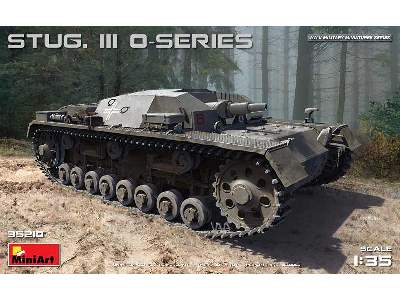
The StuG III was developed to meet the German Army's need for a vehicle capable of supporting infantry during assaults. Unlike a conventional tank, it had no rotating turret; its main armament was mounted in a low, armoured superstructure. This arrangement reduced the vehicle's height and simplified its design while providing protection for the crew.
The first production vehicles entered service in 1940. Initially, the StuG III was used primarily to destroy fortifications and provide direct fire support for infantry. Early versions were armed with short-barrelled 75 mm guns designed mainly to engage ground targets and enemy firing positions.
As the war progressed and increasingly well-armoured enemy tanks appeared, the StuG III was fitted with the longer 7.5 cm StuK 40 L/48 gun. Its higher muzzle velocity significantly improved its anti-tank capabilities. As a result, the vehicle evolved from an infantry-support weapon into a highly effective tank destroyer.
The StuG III Ausf. G was the most widely produced and one of the most refined versions of the vehicle. Production began in late 1942. This variant featured a redesigned superstructure with sloped armour, improved equipment and a distinctive commander's cupola that provided better visibility on the battlefield.
Its main armament was the 7.5 cm StuK 40 L/48 gun, which was effective against many Allied and Soviet armoured vehicles. The low silhouette made the StuG III easier to conceal, an important advantage during defensive operations. The Ausf. G served on several fronts until the end of the war.
Sturmartillerie-Brigade 281 was formed in France in October 1943 and transferred to the Eastern Front the following month. Equipped with StuG III assault guns, the unit fought in the area of Army Group Centre, including operations around Vitebsk.
On 14 February 1944, the unit was redesignated Sturmgeschütz-Brigade 281. On 10 June 1944, it received the designation Heeres-Sturmgeschütz-Brigade 281. Before the major Soviet offensive launched in the summer of 1944, the brigade still possessed a substantial number of operational assault guns. However, subsequent fighting and the German retreat placed severe demands on both its vehicles and crews.
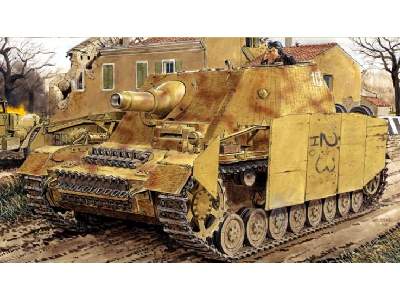
The kit illustrations show a StuG III fitted with additional armour plates along the sides of the superstructure. Such arrangements could provide extra protection against small-arms fire and shell fragments. Spare track links were also commonly carried on the armour. They served as replacement parts and could provide a limited additional layer of protection.
Winter camouflage was often created by applying a light-coloured, washable coating over the vehicle's standard paint scheme. During use, the white finish wore away along edges and raised surfaces, exposing the darker base colour underneath. These effects can be reproduced on the model using paint-chipping techniques, worn edges and subtle weathering.
The StuG III Ausf. G is an excellent choice for dioramas depicting fighting on the Eastern Front during the winter of 1943–1944 or defensive operations in 1944. It can be combined with crew figures, infantry and elements of ruined buildings. A light winter camouflage scheme works particularly well with snow effects, mud, paint chips and dirt around the running gear, helping convey the harsh conditions and intensive use experienced by frontline vehicles.

No carriers available for this product.
The above shipping costs are for 1 item only.
You will see the final shipping costs when you place your order.
@COMMENT_COMMENT@
@COMMENT_COMMENT@

@COMMENT_TITLE@
@COMMENT_COMMENT@