

- Reduced price
- New
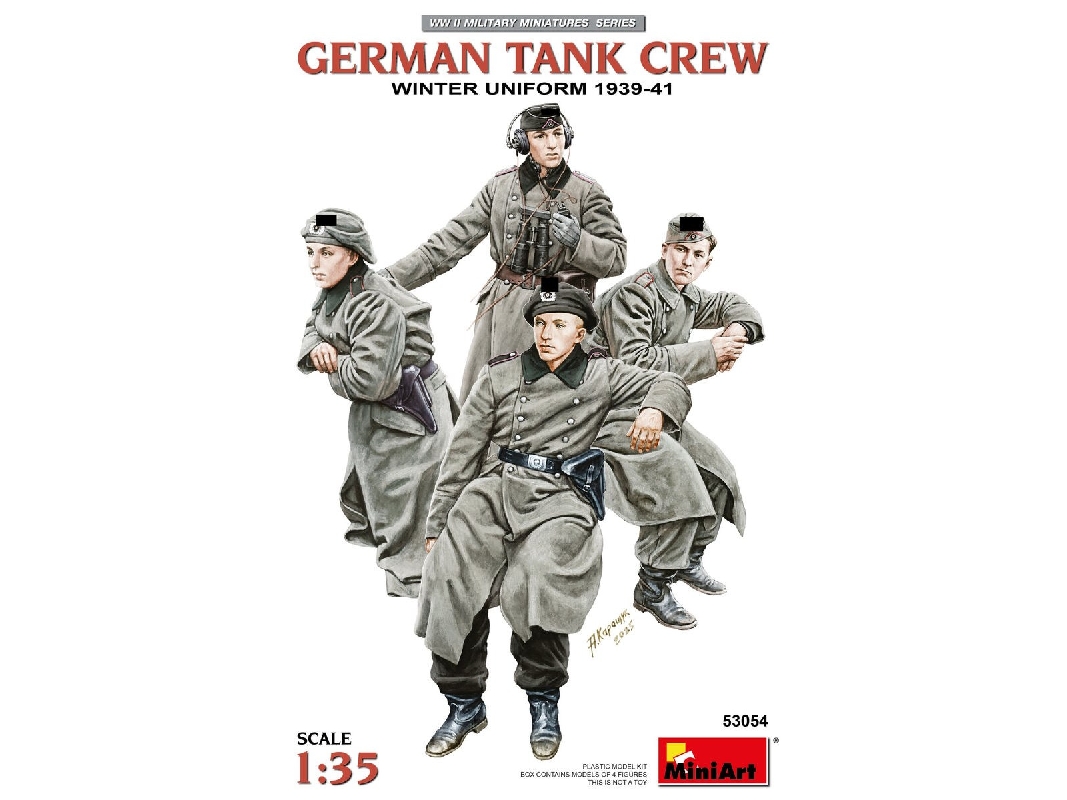

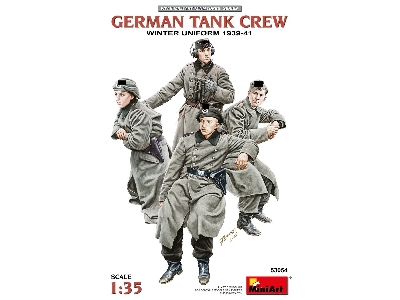
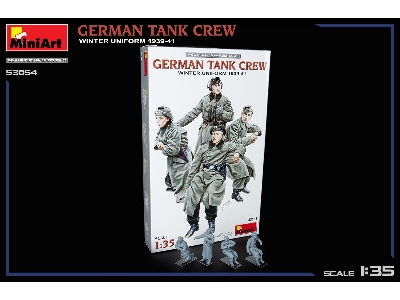
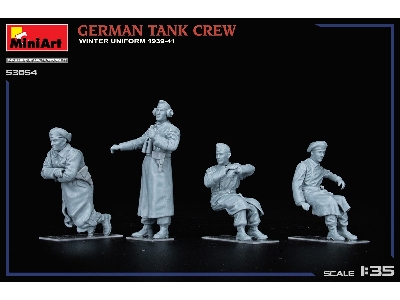
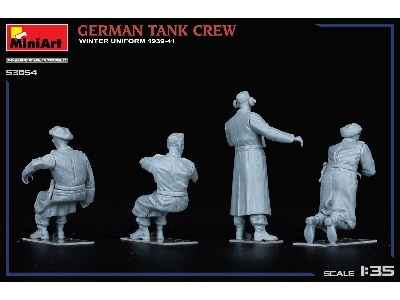
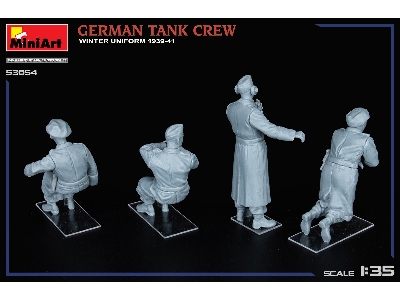
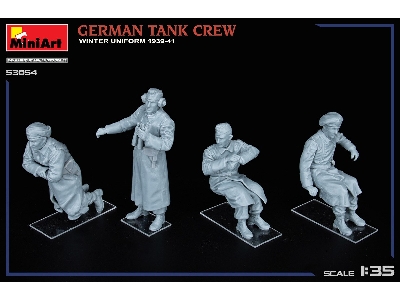
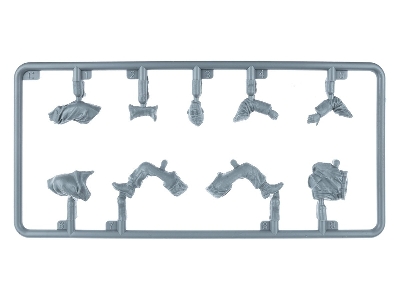
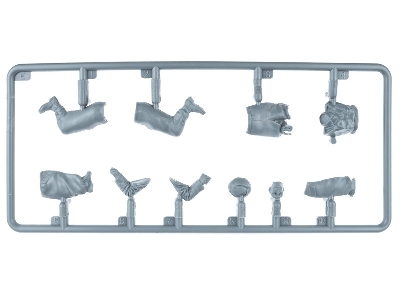
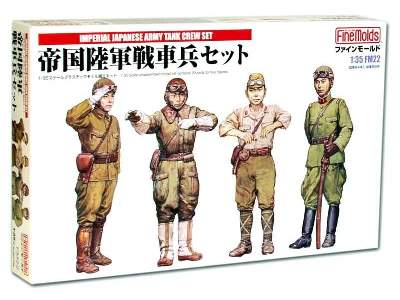
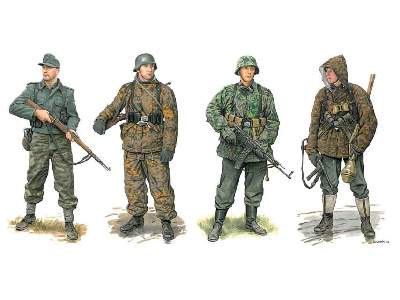
This plastic figure set depicts German armoured vehicle crewmen wearing winter clothing typical of the early years of World War II. The figures are designed for use with German tanks and other military vehicles, making them a useful addition to dioramas portraying armoured units operating in cold-weather conditions between 1939 and 1941.
The set is suitable for recreating scenes involving tank crews at rest, during vehicle maintenance or while preparing for their next assignment. The figures can be incorporated into vehicle displays and larger battlefield dioramas, adding human detail and helping convey the everyday experiences of German armoured troops during the early campaigns of the war.
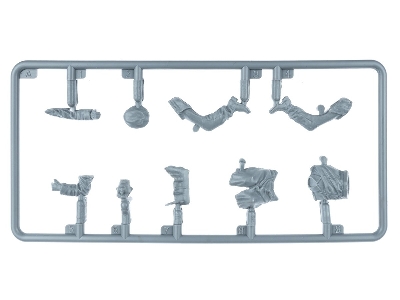
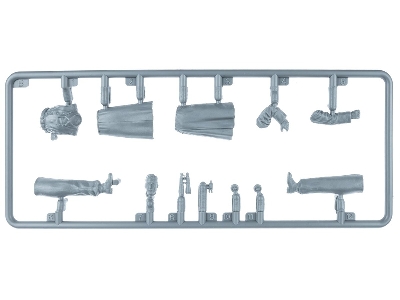
The kit consists of plastic parts that require assembly and painting. Glue and paints are not included and must be purchased separately.
At the beginning of World War II, German armoured formations took part in campaigns in Poland, Western Europe and, from June 1941, the Soviet Union. Although German tanks were designed primarily for combat effectiveness and mobility, the conditions in which their crews operated varied considerably, particularly during the colder months.
Tank crews faced low temperatures, wind, rain, mud and snow. The interior of an armoured vehicle could be cramped and uncomfortable, while prolonged periods outdoors during maintenance, refuelling and repairs exposed crewmen to harsh weather. Appropriate winter clothing was therefore essential for maintaining operational effectiveness.
German armoured personnel used a variety of garments suited to cold-weather operations. Depending on the unit, period and availability of supplies, clothing could include padded jackets, insulated trousers, greatcoats, scarves, gloves and suitable headgear. Uniform combinations varied, and not every crewman wore identical equipment.
Black uniforms were strongly associated with German armoured troops during the early war years, but winter operations also required additional protective layers. The appearance of individual crewmen could therefore differ significantly according to the weather, their duties and the equipment issued to their unit.
During the early years of the war, German armoured units played a central role in the rapid campaigns that became associated with the term Blitzkrieg. The coordination of tanks, motorised infantry, artillery and air support enabled German forces to achieve major operational breakthroughs in Poland in 1939 and in Western Europe in 1940.
The invasion of the Soviet Union in June 1941 introduced German armoured formations to enormous distances, limited road infrastructure and increasingly difficult weather conditions. Although the initial advance was rapid in many areas, autumn mud and the onset of winter placed severe demands on vehicles, equipment and personnel.
For model builders, winter-clad tank crew figures are particularly useful for depicting the contrast between armoured vehicles and the difficult environmental conditions in which they operated. Carefully selected colours, realistic weathering and appropriate groundwork can help create a convincing historical scene.

No carriers available for this product.
The above shipping costs are for 1 item only.
You will see the final shipping costs when you place your order.
@COMMENT_COMMENT@
@COMMENT_COMMENT@

@COMMENT_TITLE@
@COMMENT_COMMENT@