
- Reduced price
- New
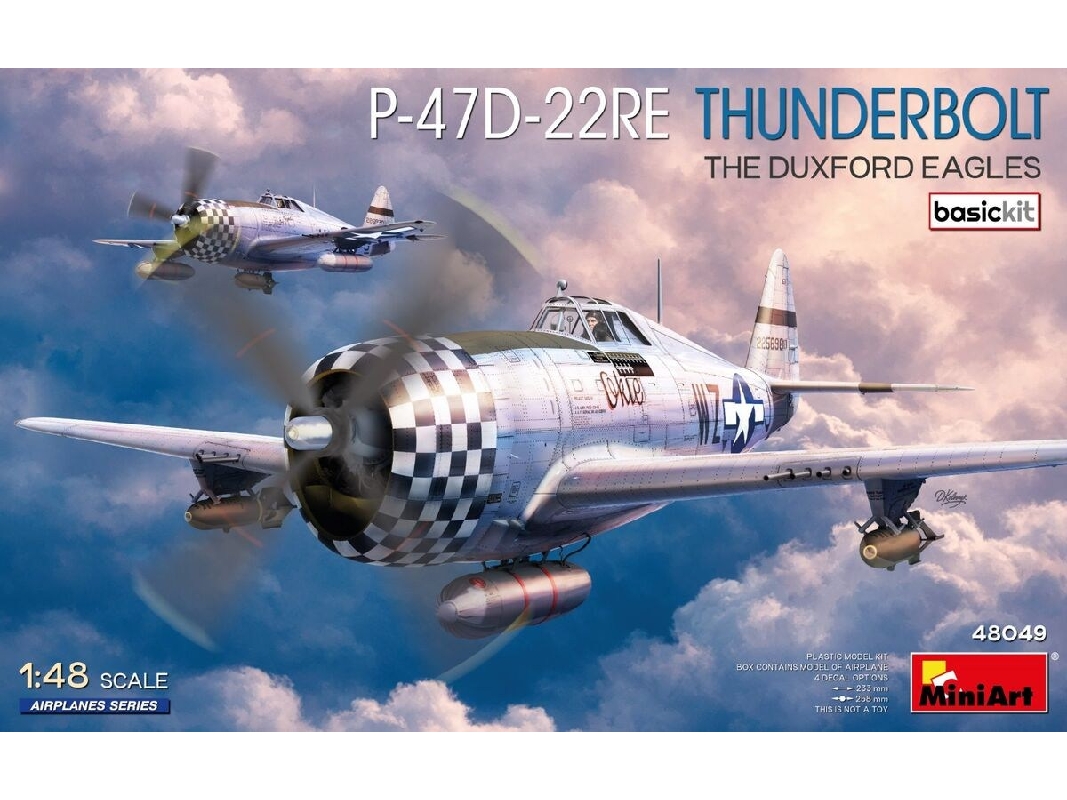

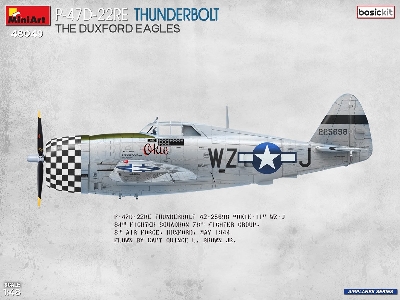
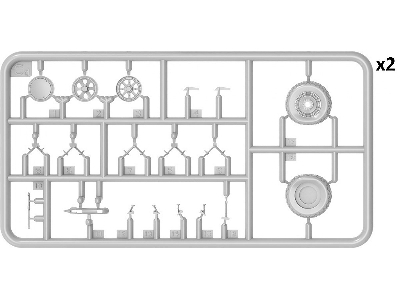
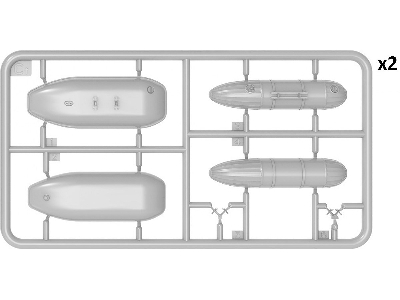
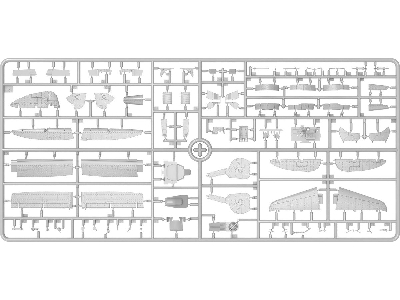
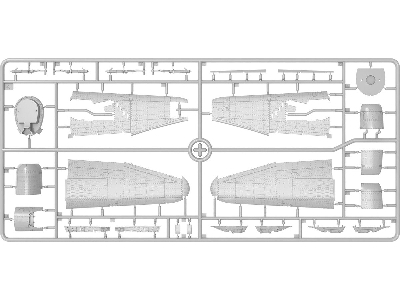
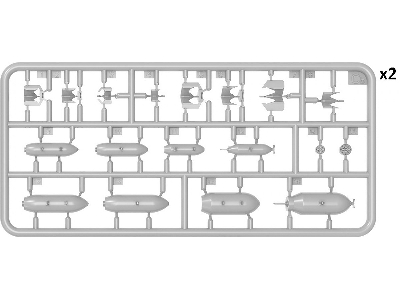
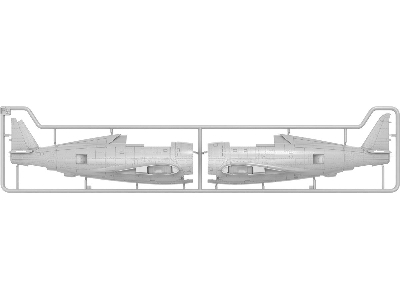
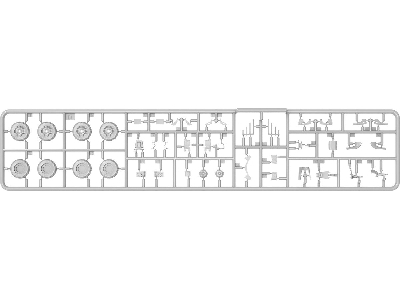
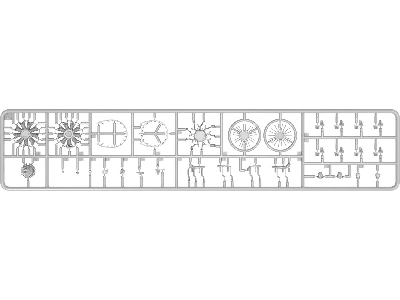
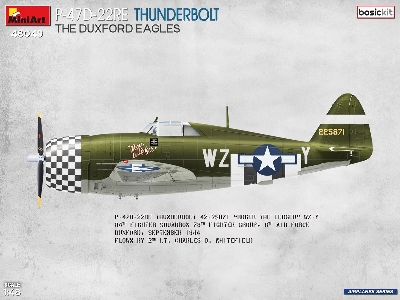
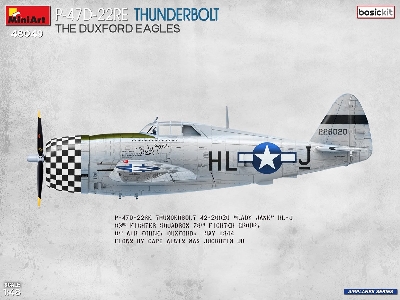
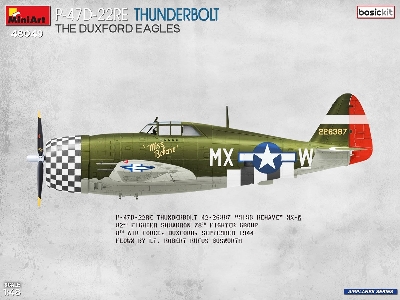
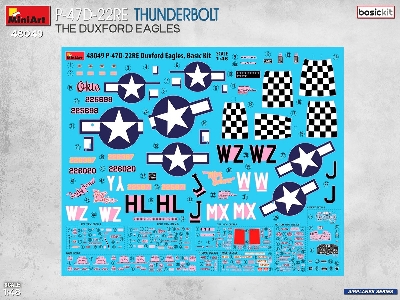
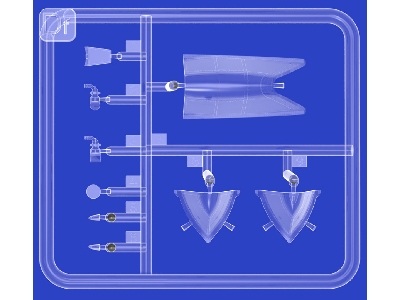
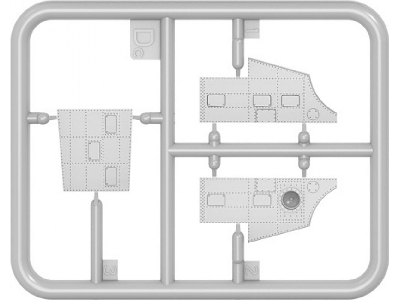
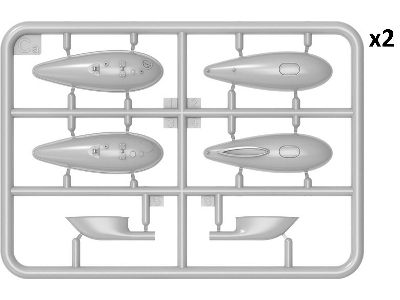
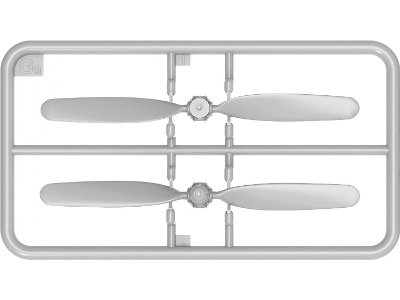
This plastic model kit depicts the American Republic P-47D-22RE Thunderbolt fighter in the distinctive Razorback configuration, featuring a raised fuselage spine behind the cockpit. The kit includes decals for four marking options representing aircraft operated by the USAAF's 78th Fighter Group, based at Duxford in Great Britain during World War II.
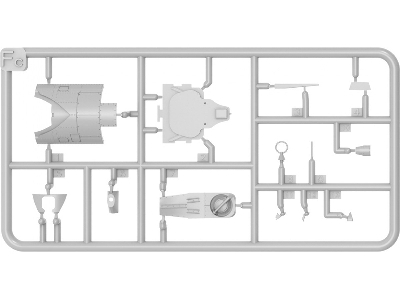
The model reproduces the metal airframe with panel lines and rivet detail. This is a basic plastic kit intended for assembly and painting. Glue and paints must be purchased separately.
The Republic P-47 Thunderbolt was one of the heaviest single-engine fighters operated by the United States Army Air Forces during World War II. It was developed by a team led by Alexander Kartveli, a Georgian-born aircraft designer who worked in the United States. The XP-47B prototype made its first flight on 6 May 1941, and the first production aircraft were delivered to the USAAF in March 1942. Thunderbolts began combat operations over Europe in April 1943.
Initially conceived as an interceptor, the P-47 evolved into a versatile aircraft used for bomber escort, air combat and ground attack. More than 15,000 examples of all variants were produced by the end of the war. The Thunderbolt served in several theatres, including Europe and the Pacific, and was also operated by the air forces of several Allied nations.
The P-47D was the most widely produced Thunderbolt variant. The suffix “RE” identifies aircraft manufactured at Republic's Farmingdale plant in New York State. Aircraft built at the company's Evansville plant in Indiana carried the suffix “RA”.
The P-47D-22RE belonged to the series retaining the distinctive framed cockpit canopy and raised fuselage spine, commonly known as the Razorback configuration. Later P-47D variants introduced a bubble canopy that provided the pilot with improved rearward visibility.
Power was provided by the Pratt & Whitney R-2800 Double Wasp, an 18-cylinder, air-cooled radial engine equipped with a turbo-supercharger. The turbo-supercharger installation was located behind the cockpit, with ducting occupying a substantial portion of the fuselage. This arrangement helped maintain high engine power at altitude, an important advantage during bomber escort missions.
The D-22RE featured a four-bladed Hamilton Standard propeller measuring 13 feet (approximately 3.96 m) in diameter. Its large propeller was designed to convert the engine's power into thrust efficiently. Although the Thunderbolt was a large and heavy aircraft, it combined substantial firepower with a robust airframe and considerable resistance to battle damage.
The USAAF's 78th Fighter Group was based at RAF Duxford in Cambridgeshire, England. Its constituent units included the 82nd, 83rd and 84th Fighter Squadrons, whose aircraft are represented by the marking options included in this kit.
The group's Thunderbolts initially flew primarily escort missions, protecting American bomber formations during raids against targets in occupied Europe. As the Allied campaign progressed, they increasingly attacked ground targets, including railway traffic, airfields, vehicles and military positions. Following the Normandy landings in June 1944, P-47s played an important role in supporting ground forces and disrupting German movements.
The name “Duxford Eagles” is associated with the American airmen based at Duxford. Individual aircraft names such as “Okie-L”, “Roger the Lodger”, “Lady Jane” and “Miss Behave” reflected the traditions of wartime aviation and distinguished individual aircraft within their units.
The standard armament of the P-47D consisted of eight Browning M2 .50-calibre (12.7 mm) machine guns mounted in the wings. The aircraft could also carry bombs and unguided rockets on external hardpoints. This made the Thunderbolt effective both in air-to-air combat and in attacks against ground targets.
Its heavy construction and rugged airframe were important advantages in combat. The air-cooled radial engine was less vulnerable to the loss of coolant than a liquid-cooled engine. Thunderbolts could often return to base despite substantial battle damage, although survival was never guaranteed.
The Thunderbolt achieved high level-flight speed and was particularly effective in a dive. Its weight made it less manoeuvrable at low speeds than lighter fighters, but its powerful engine, rugged construction and heavy armament made it a formidable combat aircraft. As the war progressed, the P-47 became one of the most important American fighter-bombers operating in the European theatre.
The nickname “Jug”, widely used by American pilots, is often explained as a shortened form of “Juggernaut”, referring to something powerful and difficult to stop. It was also associated with the aircraft's barrel-like fuselage. The P-47 combined considerable weight with a powerful engine and a durable airframe, while its design allowed it to carry substantial external armament.

No carriers available for this product.
The above shipping costs are for 1 item only.
You will see the final shipping costs when you place your order.
@COMMENT_COMMENT@
@COMMENT_COMMENT@

@COMMENT_TITLE@
@COMMENT_COMMENT@