

- New
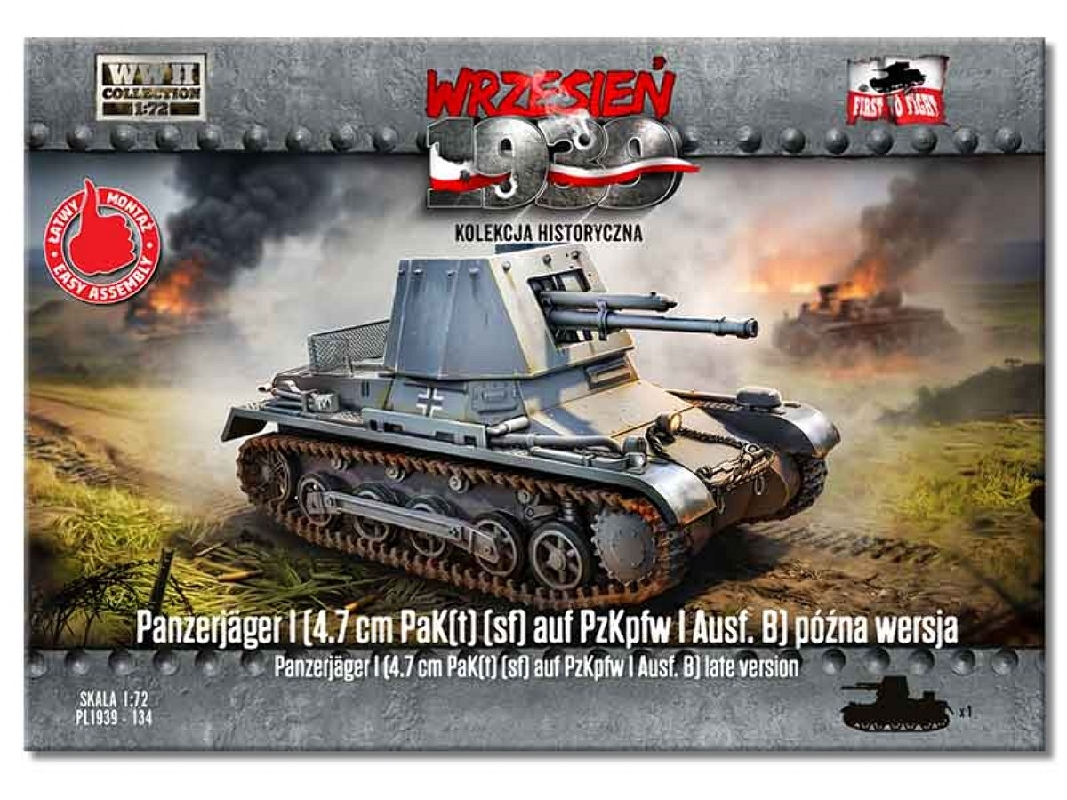

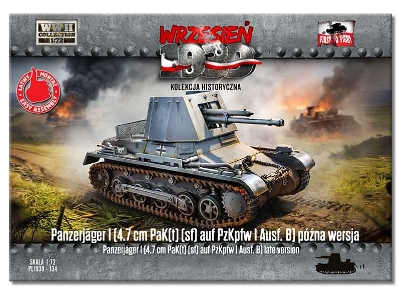
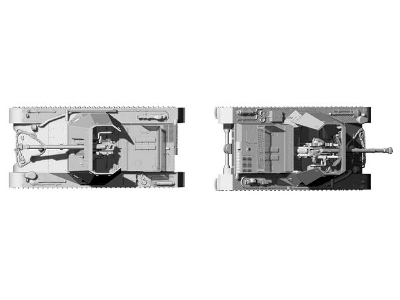
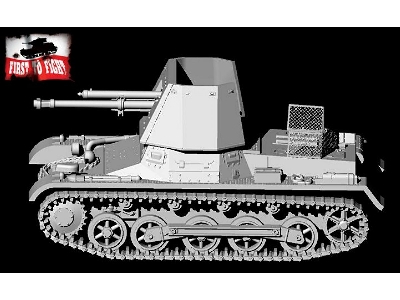
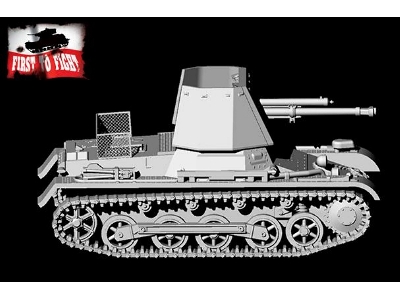
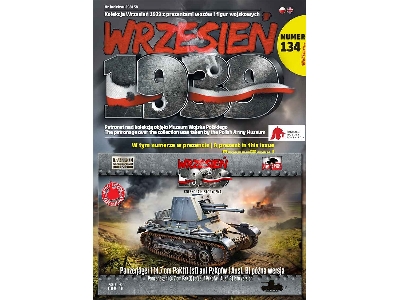
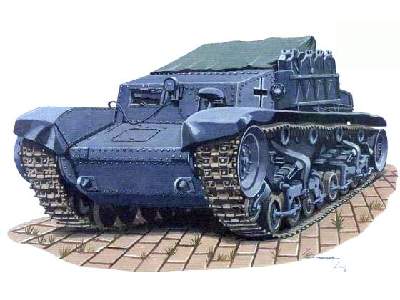
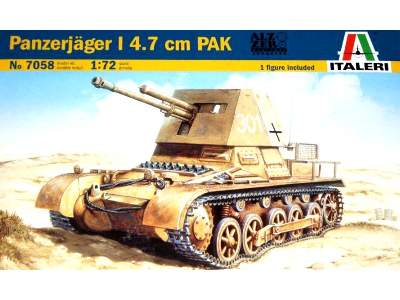
Panzerjäger I – late version from First to Fight is a model of the first mass-produced tank destroyer to enter service with the Wehrmacht. The 1:72 scale kit represents the 4.7 cm Pak(t) (Sf) auf Panzerkampfwagen I Ausf. B, built on the chassis of the Panzerkampfwagen I Ausf. B light tank and armed with a captured Czechoslovak 47 mm anti-tank gun.
The model is part of the "September 1939" series and has been designed for relatively straightforward assembly while retaining the characteristic features of the vehicle. The open fighting compartment with its large gun shield, combined with the small Panzer I chassis, gives the finished model its distinctive appearance.
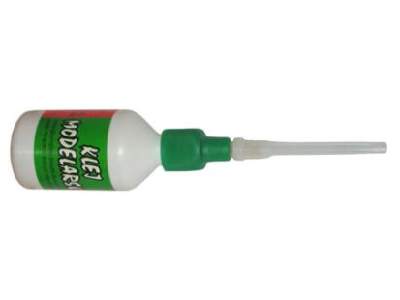
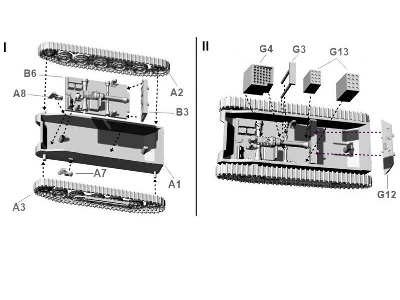
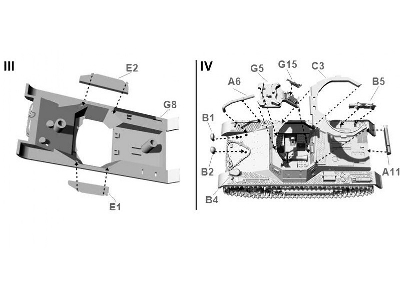
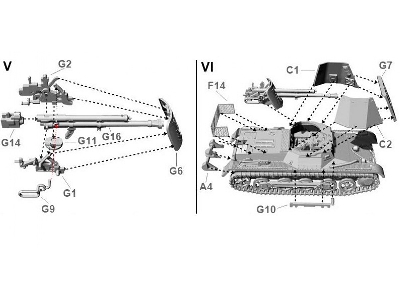
The model is supplied unassembled and requires gluing and painting. Plastic model cement and suitable model paints are required for construction. Glue and paints are not included.
The Panzerjäger I was developed as a way of making use of Panzerkampfwagen I Ausf. B chassis, which were rapidly becoming obsolete as conventional tanks at the beginning of the Second World War. After the turret was removed, a much more powerful anti-tank gun was mounted on the chassis, creating a small and relatively mobile tank destroyer.
Its main armament was the 4.7 cm Pak(t), a Czechoslovak gun derived from the Škoda 4.7 cm KPÚV vz. 38 anti-tank gun. It provided considerably greater anti-tank capability than the standard German 3.7 cm Pak 36, particularly when facing more heavily armoured enemy tanks.
The gun was mounted in a fighting compartment open at the top and rear. The crew was protected by a tall, multi-section armoured gun shield, although the overall protection of the vehicle remained limited. The open design provided the gun crew with good access to the weapon and a relatively wide field of observation.
Development of the Panzerjäger I began around the turn of 1939 and 1940. The vehicle was intended to provide German anti-tank units with a weapon capable of more effectively engaging newer and better-armoured tanks. Approximately 200 Panzer I Ausf. B chassis were converted.
Panzerjäger I vehicles saw combat during the French campaign in 1940. They were later used in the Balkans, on the Eastern Front and in North Africa. During the early stages of their service, the 4.7 cm gun was an effective anti-tank weapon, but as increasingly well-armoured tanks appeared, the capabilities of the small vehicle quickly became insufficient.
The Panzerjäger I played an important role in the development of German self-propelled anti-tank guns. Experience gained from its operation contributed to the development of later vehicles of this class, including the Marder family and, subsequently, more advanced tank destroyers.
No carriers available for this product.
The above shipping costs are for 1 item only.
You will see the final shipping costs when you place your order.
@COMMENT_COMMENT@
@COMMENT_COMMENT@

@COMMENT_TITLE@
@COMMENT_COMMENT@