
- Reduced price
- New
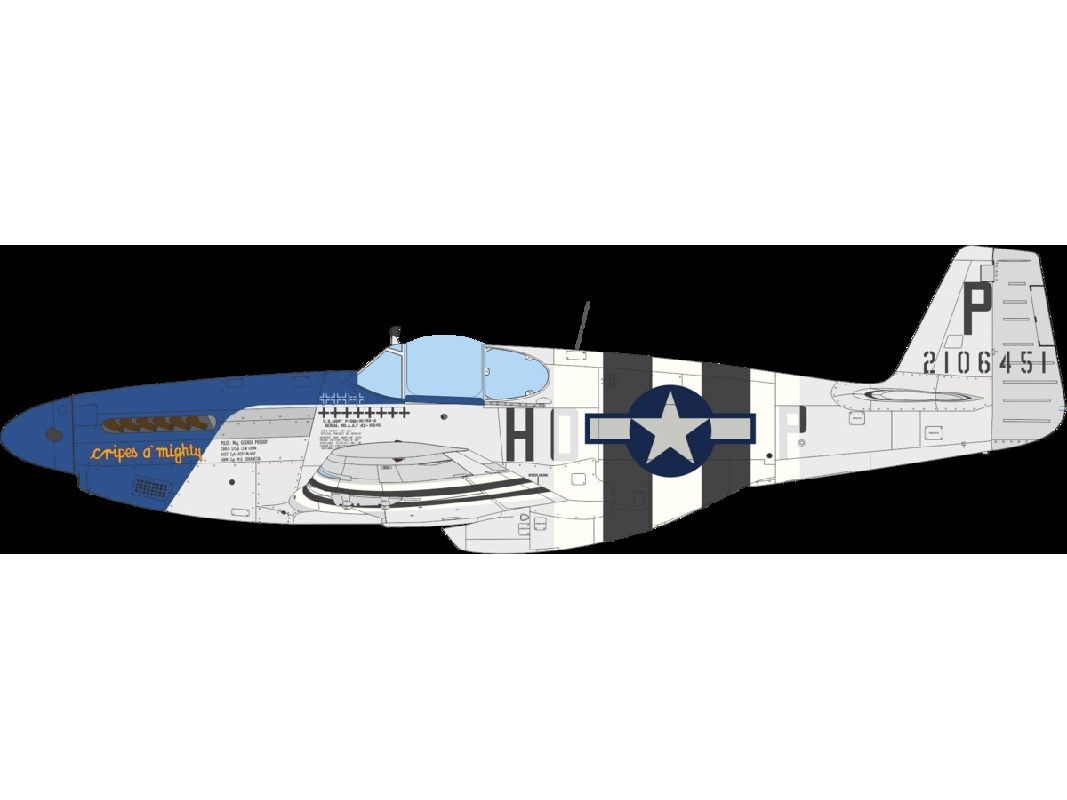

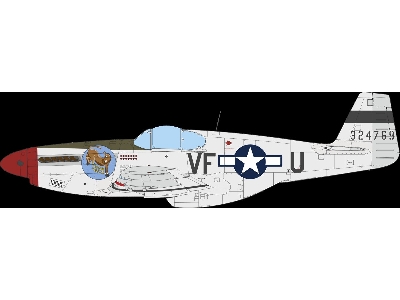
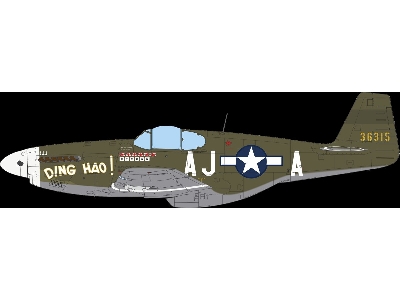
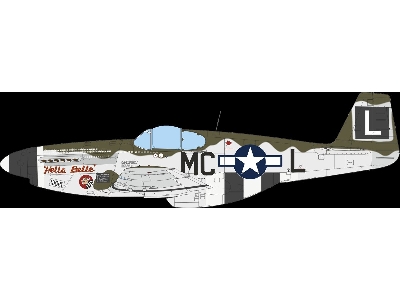
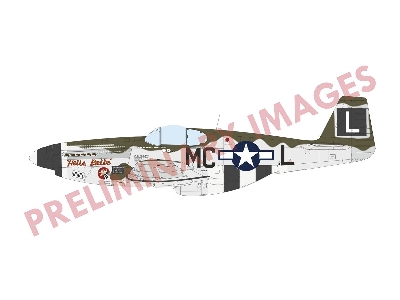
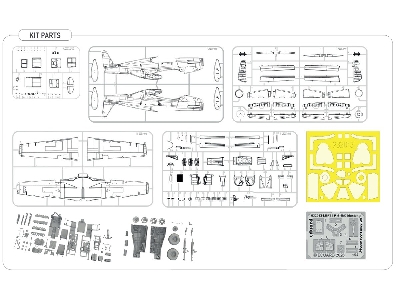
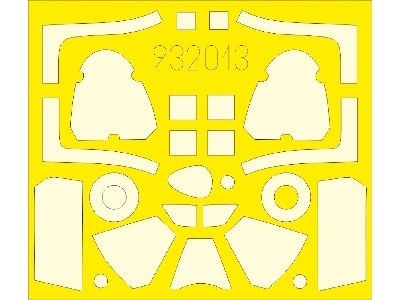
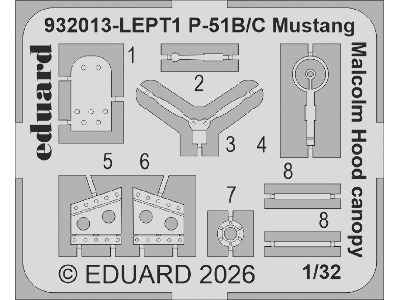
This kit allows you to build a detailed model of the American P-51B/C Mustang fighter, specifically the variant featuring the distinctive Malcolm Hood canopy. It is a "Hybrid" edition, combining classic plastic components with 3D-printed parts and photo-etched accessories.
The model has been specifically designed for aircraft equipped with the Malcolm Hood canopy; consequently, the plastic sprues and 3D-printed parts correspond to this specific Mustang configuration. The kit also includes extensive Brassin components for the cockpit, wheel wells, wheels, armament, and exhaust system.
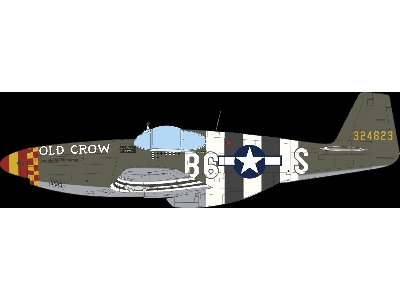
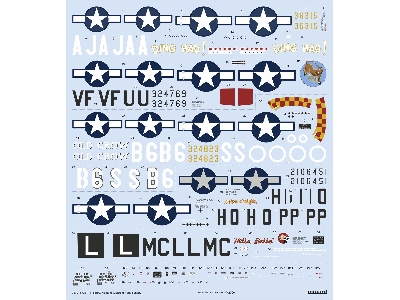
The marking options include aircraft from the 8th and 9th Air Forces, operated by the USAAF during operations in Europe in 1944.
The model requires assembly and painting.
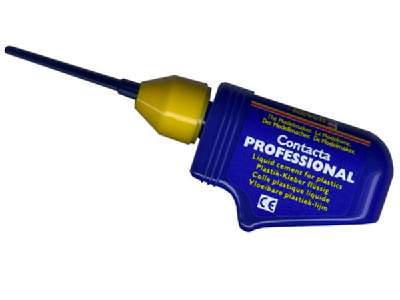
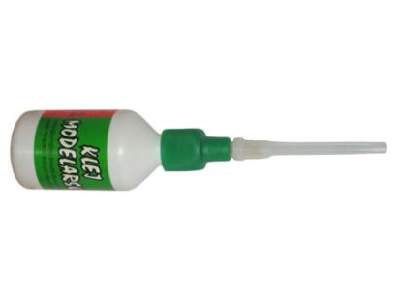
Glue and paints are not included in the kit and must be purchased separately.The North American P-51 Mustang was a single-seat, single-engine, long-range fighter of all-metal construction. Initially powered by an Allison engine, the aircraft's capabilities at high altitudes were completely transformed by the adoption of the British Rolls-Royce Merlin engine—manufactured in the USA as the Packard V-1650.
The P-51B was the first production variant of the Mustang powered by the Merlin engine. Early units were fitted with the Packard V-1650-3, delivering approximately 1,380 hp, while later P-51Bs were equipped with the more powerful V-1650-7. A two-stage, two-speed supercharger allowed the engine to maintain high power output at high altitudes, a crucial factor when escorting heavy bombers.
The P-51B and P-51C were initially fitted with a distinctive canopy featuring a "birdcage" frame. This design restricted rearward visibility, a significant disadvantage in aerial combat. Consequently, the British developed a modified canopy featuring a large, convex transparent section that slid backward on rails. This design became known as the Malcolm Hood, named after its designer, Norman Malcolm.
The Malcolm Hood provided vastly improved rearward visibility without requiring a major redesign of the fuselage.
This feature was particularly appreciated by pilots flying Mustangs as escort fighters.One of the P-51B's greatest advantages was its range. The introduction of an additional fuselage fuel tank, located behind the pilot's cockpit, significantly enhanced the aircraft's operational capabilities. Combined with external drop tanks, the Mustang could escort Allied bomber missions over very long distances.
The P-51B and P-51C models supplied to Great Britain were collectively designated the Mustang Mk.III. Aircraft of this variant also saw service with Polish RAF squadrons; units such as Nos. 306, 309, 315, and 316 operated the Mustang Mk.III.
A particularly interesting example was Mustang Mk.III FZ152—originally a US P-51B-5-NA (serial number 43-6533). From April 1944, it served as the personal aircraft of Stanisław Skalski, commander of the No. 133 Polish Fighter Wing. The aircraft bore the code "SS," and Skalski achieved his final two confirmed aerial victories of World War II while flying it.

No carriers available for this product.
The above shipping costs are for 1 item only.
You will see the final shipping costs when you place your order.
@COMMENT_COMMENT@
@COMMENT_COMMENT@







@COMMENT_TITLE@
@COMMENT_COMMENT@